











Industry Solutions
Specialized expertise across key sectors


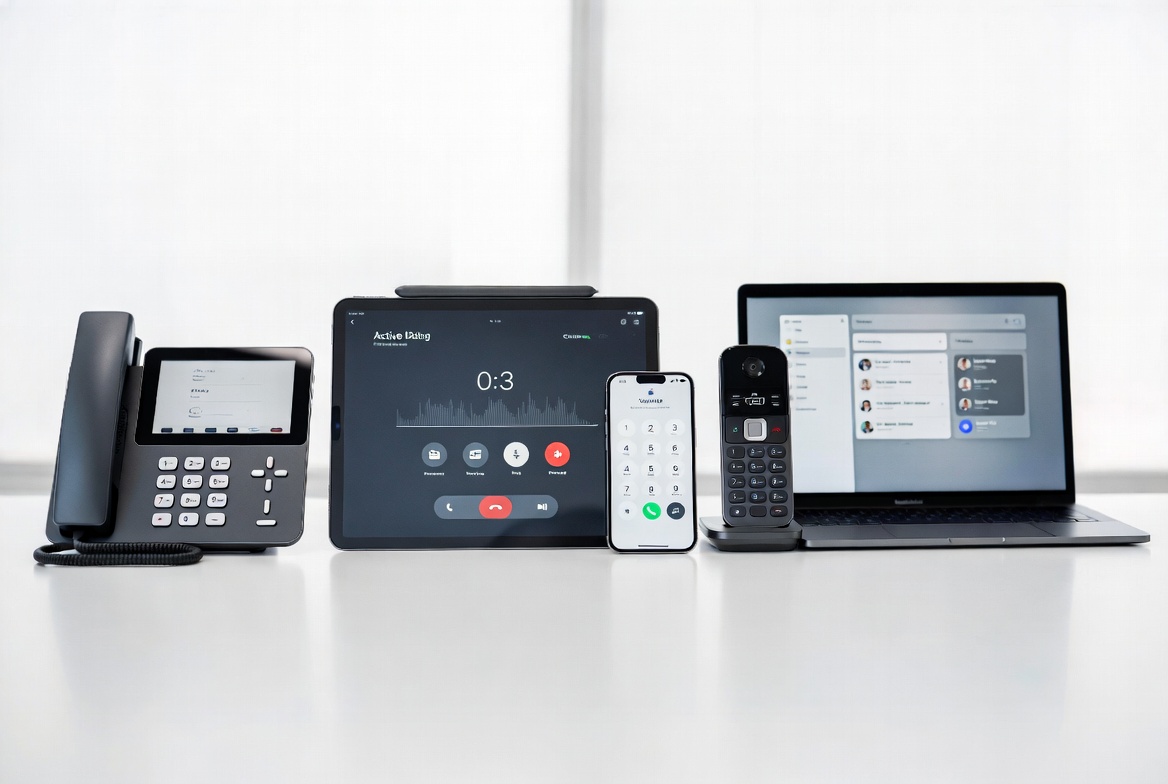
Helping our partners design and deploy modern telephone systems—from on-premise PBX to cloud VoIP—so every call is clear, efficient, and ready to scale.
Explore Telephone SolutionsBusiness telephone systems connect employees internally and to customers across the public switched telephone network. They go far beyond simple phone lines; networked systems provide call handling, transferring, conference calling, call metering, and voicemail capabilities. Modern solutions allow multiple staff members to share external lines, reducing the total number of lines required and making call routing far more efficient than using individual, unconnected phones.
A private branch exchange (PBX) is a private phone network that enables employees to communicate internally and also connect with outside callers. Traditional on-premise PBX systems require significant hardware and wiring, which leads to high upfront costs and limited scalability. In contrast, hosted or cloud PBX systems run in the cloud and handle call switching between VoIP users and the telephone network via an internet connection. These platforms offer advanced features such as call transfer, recording, voicemail transcription, call routing, auto attendants, IVR menus, hold music, and call forwarding.
Business phone systems may be deployed as key system units (KSU) for small offices, full-featured PBX systems for larger organizations, or Voice over Internet Protocol (VoIP) systems. VoIP solutions send calls over the internet rather than copper telephone lines, making them ideal for multi-site and remote teams because costs decrease when calls travel over IP networks. Cloud PBX solutions also integrate with CRM platforms and collaboration tools, allowing organizations to manage phone numbers, routing rules, SMS, and even video conferencing from a single unified portal.
Our team helps assess your requirements, select the right platform, and integrate it with your existing network. Whether you need a basic key system or a fully hosted PBX, we ensure smooth deployment, training, and ongoing support to keep your people connected.
Telephone services also encompass how voice infrastructure integrates with your organization’s internal network. Proper system design ensures that every call flows with low latency, high clarity, and optimized pathways based on user availability or departmental queues. Technologies like SIP trunking allow voice traffic to travel through existing IP networks, reducing costs and improving resilience compared to traditional telephone lines. As a result, telephone systems become a crucial component of your communication architecture built to support everyday operations as well as high-demand environments.
Modern telephony has evolved into intelligent communication platforms far beyond legacy PBX capabilities. Advanced analytics now provide insights into response times, call durations, abandonment rates, and agent performance across departments. AI-powered features such as real-time transcription, sentiment analysis, and context-based routing enhance customer service while offering leadership actionable data to refine internal processes and elevate the overall communication experience.
Mobility is also a foundational component of today’s telephone services. Users can receive calls to their extension from smartphones, laptops, or softphone applications, ensuring operational continuity even outside the office. This makes the phone system a direct enabler of remote and hybrid work models. Cloud-based providers also offer geographic redundancy, automatic failover, and built-in disaster recovery, ensuring communication remains uninterrupted even during local outages or unexpected disruptions.
Telephone services play a central role in shaping the customer experience. Well-designed systems can deliver intuitive IVRs, personalized messages, organized queues, and reduced wait times creating a professional impression from the moment a call comes in. Features such as call whispering, call barging, and recording support supervisors and quality teams in improving service delivery. For organizations handling high volumes of communication, these capabilities strengthen reputation, enhance operational efficiency, and accelerate issue resolution.

Reliable Connectivity
Ensure uninterrupted voice communications with redundant lines, resilient infrastructure, and cloud failover options.
Advanced Call Control
Leverage features like extensions, call routing, auto attendants, IVR, call recording, and voicemail-to-email for professional handling.
Scalability & Flexibility
Add or remove lines quickly and support remote, hybrid, and multi-site teams with VoIP and hosted PBX solutions.
Cost Efficiency
Reduce spend with shared lines, predictable subscription models, and less on-premise hardware to maintain.
Inbound Call Centers
Route customer calls to the right agents with queueing, IVR, skills-based routing, and real-time reporting.
Remote & Hybrid Teams
Empower distributed employees with softphones, mobile apps, and cloud extensions that work from anywhere.
Integrated Communications
Combine voice with CRM, ticketing, and collaboration tools to streamline workflows and improve response times.
On-premise PBX relies on hardware installed at your location and usually involves higher upfront and maintenance costs. Hosted PBX runs in the cloud, is managed by a provider, and typically offers more flexibility, features, and predictable monthly pricing.
Yes. Modern telephone platforms can integrate with CRMs, ticketing systems, collaboration suites, and analytics tools to give agents context and streamline workflows during calls.
Even small teams benefit from a structured system. Features like call transferring, shared lines, voicemail, and basic auto attendants help present a more professional, organized experience to customers.
Cloud and IP-based systems can include encryption, strong authentication, audit logs, and built-in redundancy. Security also depends on proper configuration and network design, which we support as part of our engagements.
Yes. Many organizations adopt a phased approach, using SIP trunking or hybrid PBX architectures to keep existing hardware while introducing VoIP and cloud capabilities over time.
Training is highly recommended. We help users understand new features, devices, and workflows so they can take full advantage of the system from day one.
Modern telephone solutions bring reliable, intelligent voice communications to every corner of your organization.
Talk to Our Telephone Advisor



Copyright 2026. Landmark Strategies and Solutions LLC. All Rights Reserved.